 Related Articles:
Online auctions give buyers access to vehicles they may never find locally. They also remove the most informative part of ordinary used-car shopping: spending time with the car before money changes hands.
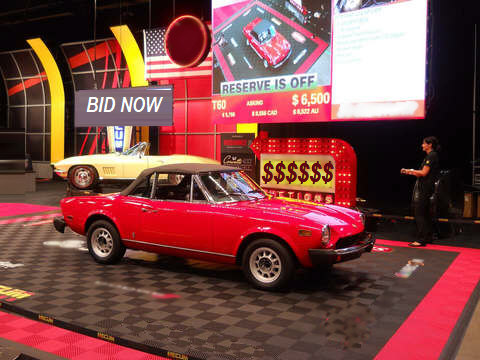
Listings on platforms such as https://cars4.bid/ may include detailed photographs, title information, condition notes, and auction status. None of those details carries the same weight as a test drive or a lift inspection. Each one is a piece of evidence that needs context.
A remote inspection, therefore, begins with a different goal. You are not trying to prove that the vehicle is good. You are looking for enough reliable information to price its weaknesses without guessing.
Auction terms can sound more reassuring than they are. “Run and drive” confirms that the vehicle started and moved under its own power when the auction checked it. That description does not confirm roadworthiness. It says nothing about overheating after ten minutes or a transmission that slips under load.
Photographs also document one moment. A clean engine compartment may reflect careful maintenance, or someone may have washed away evidence of a leak. Freshly inflated tires can hide a suspension problem that became obvious when the vehicle arrived. Treat presentation as evidence, not reassurance.
Read the entire lot page before looking closely at the price. Confirm the sale document and note the stated damage type. Check if keys are present. Compare the displayed mileage with any history records you can obtain. When one detail conflicts with another, stop and resolve the conflict before estimating repairs.
Image count matters less than image coverage. Twenty photographs from flattering angles are not enough. You need a view of the damaged area from several distances. Photos of the opposite side help reveal how the body should align. Gaps around closed panels often tell more than a close-up of the impact itself.
Start with the VIN shown in the listing, then compare it with every visible identifier. Windshield and door-jamb labels should agree. A photo of the title or sale document should point to the same vehicle. Any mismatch deserves an explanation before bidding begins.
Run the VIN through an NMVTIS-approved history provider. NMVTIS records can reveal title brands and reported odometer information. They may also show that an insurer declared the vehicle a total loss. NICB’s free VINCheck adds another useful search for participating insurers’ theft and salvage records.
No database captures every event. Insurance may never record uninsured flood damage. A poorly repaired collision may also remain absent from a history report. Use reports to find leads, not to certify condition.
Check open recalls through NHTSA after confirming the VIN. Recall repairs may be free, but a damaged or non-running vehicle can be difficult to transport to an authorized dealer. Some recall work also depends on parts availability. That inconvenience belongs in the purchase calculation even when the repair itself carries no charge.
Mileage deserves its own review. Compare the odometer display with older title entries and service records. Wear inside the car should make sense for the number shown. A low-mileage vehicle with heavily worn pedal surfaces needs a closer look, especially when the history contains long gaps.
Collision photos become more useful when you stop asking how bad the car looks and begin asking where the force traveled. A crushed bumper cover may hide modest structural damage. A lighter-looking corner impact can push a wheel backward and damage the mounting points behind it.
Compare wheel position on both sides. Look at the distance between each tire and the wheel opening. An obvious difference may indicate suspension damage or movement in the body structure. Steering components can bend during an impact without creating a dramatic exterior photograph.
Panel gaps provide another clue. A hood that rises near one fender may reflect a damaged hinge or displaced upper structure. Doors that no longer align with the roof can indicate a deeper problem than replaceable outer panels.
Study the passenger compartment before assigning value to a repairable car. Deployed airbags change the job substantially, as the repair may involve more than just replacing the visible bags. Seat-belt pretensioners and control modules may also need attention. Damaged dashboard sections can add many hours of labor before the interior looks complete again.
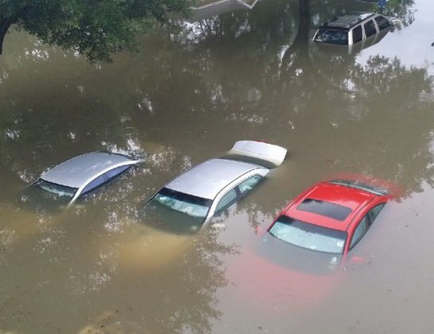
Flood risk calls for different evidence. Ask for clear images under the spare tire and beneath removable floor coverings. Corrosion around low electrical connectors deserves concern when the rest of the vehicle looks recently cleaned. Waterlines or silt in sheltered areas are stronger clues than a pleasant-looking exterior.
A remote inspection is not a substitute for driving the vehicle, but it can answer questions that auction photography leaves open. Many auction platforms allow buyers to order an on-site inspection. Independent mobile inspectors may also cover the storage facility when the rules permit access.
Give the inspector a focused assignment. General comments such as “looks good for the age” offer little protection. Ask for a cold start and confirm that the engine was cold before the video began. Warm engines can hide hard starting and startup noise.
reproduce the load on the road. For a non-running car, ask what happens when you turn the key. Silence, slow cranking, and normal cranking point toward very different repair paths.
Inspectors should photograph the underside whenever access allows. Fresh fluid on a splash shield can matter more than light grime on the engine. Rust also needs context. Surface corrosion on exposed steel differs from weakened mounting points or perforations near suspension loads. When the seller or auction cannot accommodate a meaningful inspection, the uncertainty needs a dollar value. Refusing access does not prove serious damage, but it removes your best opportunity to disprove it.
A scan tool can reveal faults that never appear in listing photographs. Ask for a full-system scan rather than an engine-only code check. Modern vehicles may store faults in the restraint system or body electronics even when the main warning lights remain off.
Pay attention to readiness monitors. Several “not ready” results may indicate that someone recently cleared trouble codes or disconnected the battery. That finding does not identify the original problem, but it removes confidence from a clean dashboard photo.
Live data can add context when the engine runs. Coolant temperature should rise in a believable way from a cold start. Charging voltage can expose a weak alternator. Fuel-trim readings may suggest an intake leak or fuel-delivery problem, although diagnosis still requires skill and proper testing.
Newer collision vehicles may need sensor calibration after repairs. A windshield camera or front radar unit can require precise aiming once body work is complete. Budgeting only for a bumper and paint can leave a large gap when driver-assistance warnings appear during final assembly.
Electric and hybrid vehicles need specialized review. Physical damage near the battery enclosure deserves expert assessment. Flood exposure poses a more serious concern because high-voltage systems can remain hazardous even after the water recedes. Do not treat an energized damaged vehicle as an ordinary mechanical project.
Auction excitement makes the current bid feel like the price. It is only one part of the cost.
Begin with a conservative estimate of the vehicle’s value after proper repair. Use comparable vehicles with the same title status. A rebuilt-title car should not inherit the retail value of a clean-title example simply because the finished photographs might look similar.
Then work backward:
Maximum bid = conservative finished value − non-bid costs − repair reserve − uncertainty reserve
Non-bid costs include auction charges and transportation. Title processing may add more. Storage begins to hurt when payment or pickup misses the deadline. Review the platform’s current fee schedule before choosing a maximum bid.
Repair estimates should reflect labor as well as parts. Used body panels may look inexpensive online, yet freight can exceed the panel price. Paint blending can spread beyond the replaced section. Mechanical damage discovered after disassembly can halt the project while the vehicle continues to occupy shop space.
Keep a separate uncertainty reserve. Do not hide it inside an optimistic repair estimate. Sparse photos require a larger reserve. A strong inspection can reduce that amount, although it should never eliminate it.
Decide the ceiling before live bidding starts. Once the auction reaches that number, stop. A bidder who keeps adding small increments is no longer buying based on a repair calculation. The purchase has become a contest.
Related Articles:  Click Here to See More Carley Automotive Technical Articles